Blog

Environmental Toxins That Can Reduce Fertility

Where conception problems are concerned, the majority of discussions tend to be about age, hormones, and medical issues. However, there is one more aspect which is often overlooked and which we come into contact with on an everyday basis – the environment. Our air, food, water, and household items could all have a considerable effect on fertility in ways we do not know.

It does sound scary, but the reality is quite simple – minor exposure in the long run can have an impact on reproduction. Here at Revyve Fertility, we think fertility is not determined only by lab findings. At times, lifestyle and environmental factors might be of more significance.

How Can Environmental Toxins Affect Fertility?

This is an extremely delicate system. This requires healthy hormonal levels and high quality eggs and sperms, among other things.

There are some chemicals present in our environment which can disturb this delicate balance. There are those that cause disruption of hormones, and there are those that cause disturbance to sperm quality, egg quality, or the capability of the body to sustain the pregnancy. The problem lies in the fact that these effects can be gradual.

Common Toxins That May Impact Fertility


Air PollutionIf you reside in an urban city, there will be no escape from air pollution. Inhaling toxic air for a prolonged time has been associated with decreased fertility among males and females. They may influence the quality of sperms and eggs.

Plastic and BPA

Everywhere we go, there are plastic materials from bottles to food containers.

Some types of plastics contain BPA that messes up the hormones. The heating of food in such containers may enhance their effects, thus should be avoided.

Pesticides

Pesticides used in farming and gardening can also affect fertility. Even though fruits and vegetables are healthy, unwashed produce may carry chemical residues. This is why proper washing matters.

Heavy Metals

Lead and Mercury could affect reproduction. Lead and Mercury could disrupt hormones and decrease fertility. Lead and Mercury contamination can occur through food, water, or some work environments.

Household Products

Many cleaning products, perfumes, cosmetics, and skincare products contain chemicals that may disrupt hormones. Since we use these products regularly, even small exposure can become significant over time.

Small Changes Can Help

The thought of environmental toxins can feel overwhelming because avoiding everything is impossible. But fertility care is not about perfection. It’s about making better choices where you can.

Simple habits can make a real difference:

  • Do not heat your food in plastic
  • Prefer using glass or steel for storage if possible
  • Clean your fruits and vegetables well
  • Reduce the use of strong chemicals at home
  • Prefer natural personal hygiene products
  • Increase the quality of your indoor air

These may seem like small changes, but over time they can support better overall health and fertility.

Protecting Fertility Starts Today

Just because a fertility concern is not necessarily due to the presence of toxins in the environment does not mean that they cannot form part of the larger picture. In cases where pregnancy is not occurring in the expected amount of time, it pays to consider all aspects.

At Revyve Fertility, we hold a holistic approach to fertility care. The more you understand about your own body, your lifestyle, and the environment around you, the better. In some cases, the first step to fertility protection is making the right decisions every day.

Blog

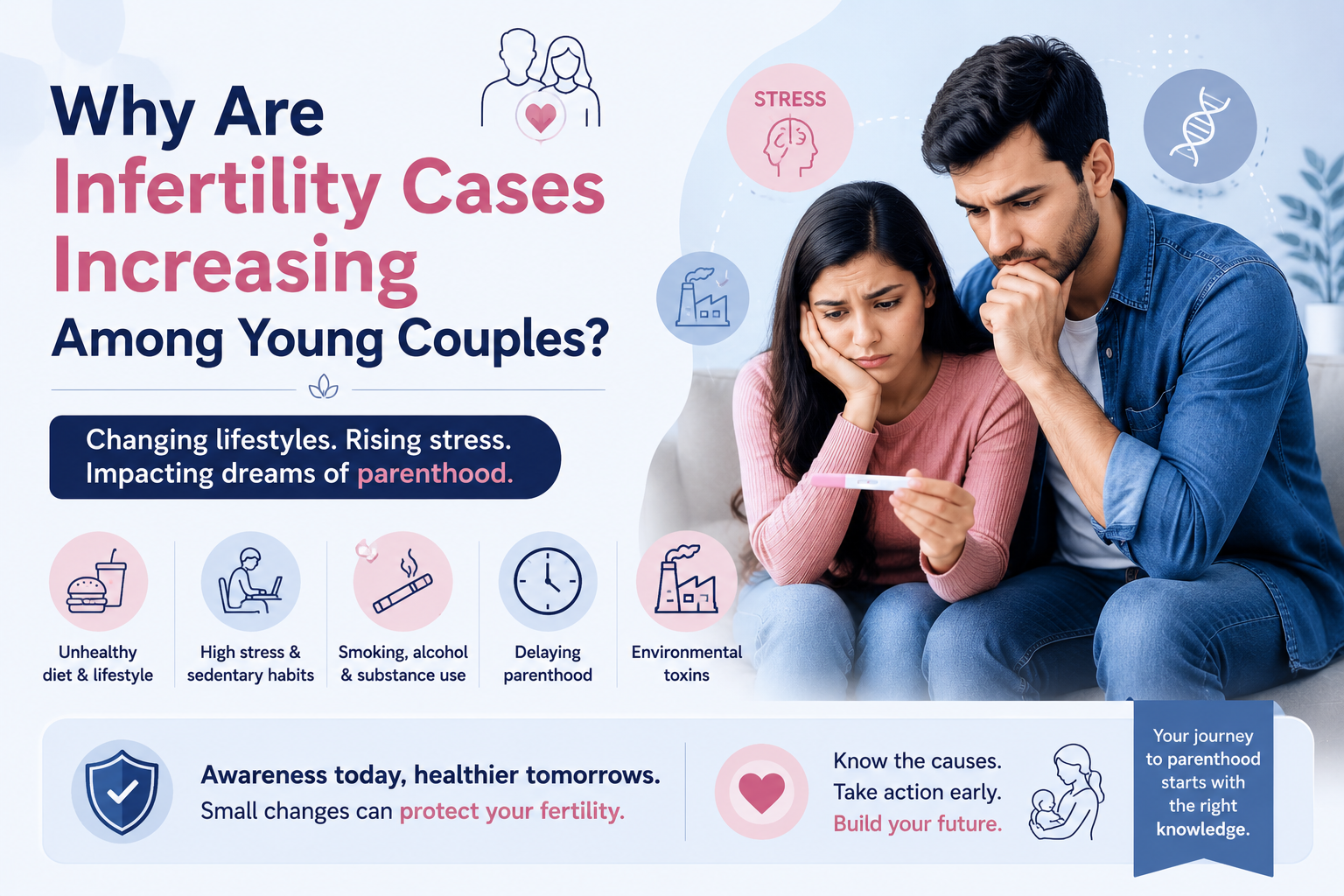
Why Are Infertility Cases Increasing Among Young Couples?

During the past decades, infertility has becoming a growing health problem among the young couple. Earlier we use to see that only those age old people faces with the problem of infertility. But, now it seems to be a big deal of young generation as they start experiencing infertility more often. Infertility can happen due to several issues such as changes in life style, increased amount of stress in life, and delays in planning a family, exposure to environmental factors and many more.

Infertility, in broad terms, indicates a situation where pregnancy does not happen within a period of one year for couples engaging in unprotected intercourse. For women older than 35, this timeframe extends to six months.

Delayed Parenthood

One of the major reasons for increasing infertility is delayed parenthood. Due to increase number of career focused young generation and having certain career goals like education or finance related goals before marriage is the main reason for delay parenthood. With the age the chances of getting pregnant gradually decreases, specifically for females. 

While this decision offers several advantages, fertility naturally declines with age, especially in women. Egg quality and quantity decrease over time, making conception more challenging. Male fertility also declines gradually with age, affecting sperm quality and motility.

Stress and Mental Pressure

Modern life often comes with constant pressure, demanding careers, financial responsibilities, and emotional stress. Chronic stress can interfere with hormonal balance, affect ovulation in women, and reduce sperm quality in men. Stress also impacts sleep, eating habits, and overall health, all of which play a role in fertility.

Unhealthy Lifestyle Habits

Eating habits (poor diet), inactivity, overweight, use of cigarettes, consumption of too much of alcohol, improper sleep are one of those activities which may cause a problem in fertility and Reproductive Health Problems . Also processed and sugar-rich food increases risk factors like Polycystic Ovarian Syndrome, hormone imbalance in females. Eating healthy foods can boost your Fertility level in both men & women.

Diet rich in processed foods and sugar, along with a sedentary lifestyle can also lead to hormonal imbalance and reproductive issues such as PCOS.  Living a healthy life can help increase fertility levels in both males and females.

Rising Cases of PCOS and Hormonal Disorders

Conditions like Polycystic Ovary Syndrome are becoming more common among young women. PCOS can cause irregular periods, ovulation issues, and difficulty conceiving.

Thyroid disorders, endometriosis, and hormonal imbalances also contribute significantly to infertility.

Environmental Factors

There is a possibility that contact with endocrine disruptors such as pollution, specific chemicals may have a direct effect on a person’s fertility. Harmful elements will affect hormones and eggs and sperms. Today’s lifestyle is full of such risk factors because of modern food packaging and plastic use.

Male Infertility Is Also Rising

Infertility is not the problem of women alone. It has been estimated that around 45% of all cases of infertility are caused due to male factors. These include low sperm count, motility, abnormal sperm morphology, and various lifestyle diseases. It clearly indicates the need for evaluating both partners for their fertility problems.

Final Thoughts

Infertility among young couples is affected by a number of causes ranging from physiological to lifestyle and environmental causes. The upside of all this is the fact that awareness about these causes will go a long way in improving one’s fertility status.

At Revyve Fertility, we know what you are going through when you seek to improve your chances of becoming parents. With proper help and treatment, having babies becomes much more realistic.

Blog

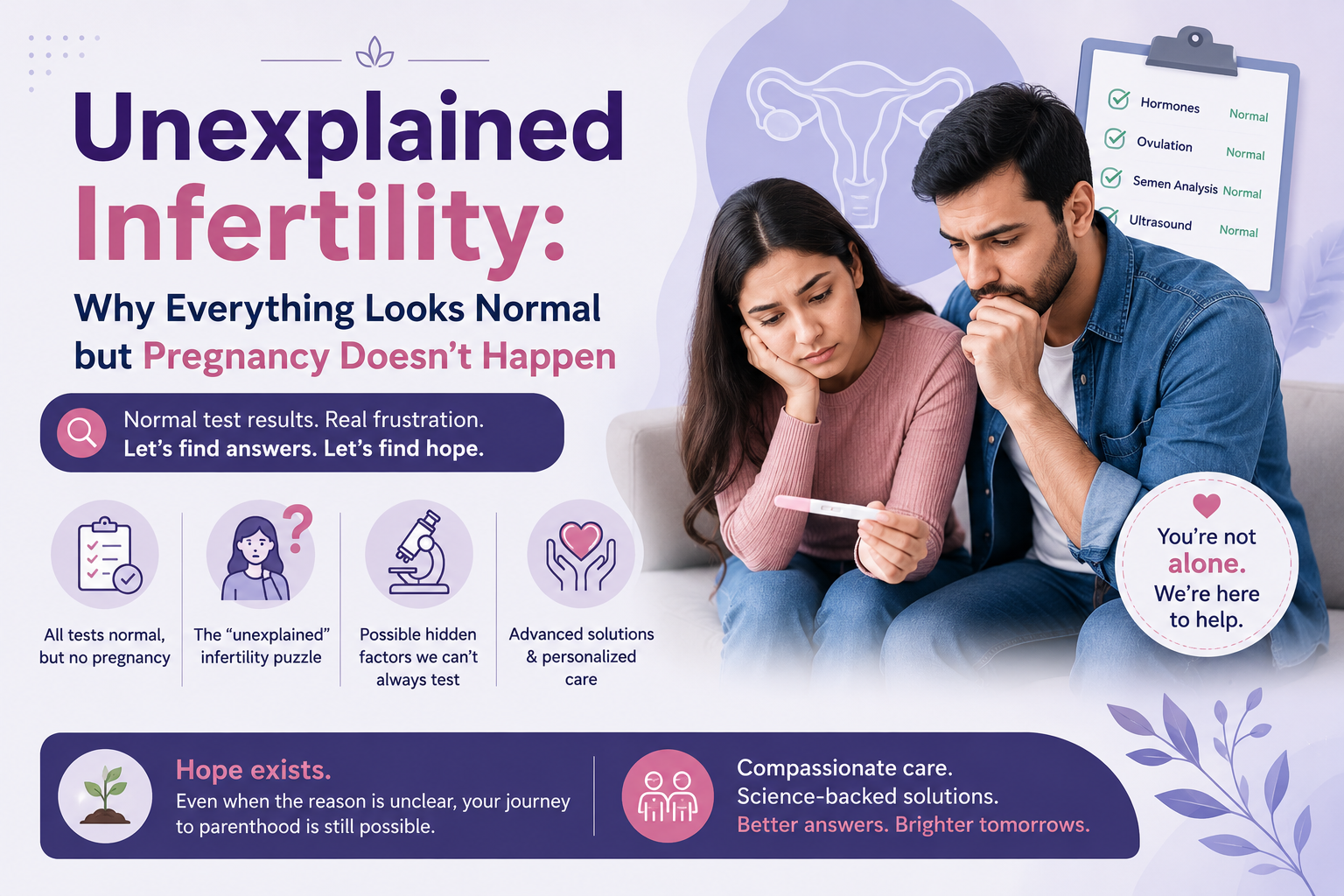
Unexplained Infertility: Why Everything Looks Normal but Pregnancy Doesn’t Happen


For many couples trying to conceive, one of the most frustrating things to hear is,

“Everything looks normal.”

At first, those words can feel reassuring. Normal reports should mean good news, right? But when months pass and pregnancy still doesn’t happen, that reassurance slowly turns into confusion, frustration, and emotional exhaustion.

You begin asking yourself difficult questions.

  • If all the tests are normal, then what’s going wrong?
  • What is the cause for the inability to conceive?

This is the dilemma that faces you when faced with unexplained infertility, one of the most difficult journeys that you may undertake in relation to fertility. At Revyve Fertility, we understand just how hard this journey can be. In many ways, it is better to have an answer rather than no answer at all.

What is Unexplained Infertility?

Unexplained infertility means that your inability to conceive does not have a clear cause identified by fertility tests.

Usually, doctors evaluate some important factors:

  • Are you ovulating regularly?
  • Are the fallopian tubes open?
  • Is the uterus healthy?
  • Is sperm count and quality normal?

When all these results look normal and pregnancy still doesn’t happen, unexplained infertility may be the diagnosis.

But here’s something important to understand:

This doesn’t mean nothing is wrong. It simply means the reason may be too subtle or complex to be detected through standard testing.


Fertility is More Complex Than It Looks

Pregnancy may seem straightforward, but biologically, it’s a very delicate process. There are just so many things that have to take place precisely when they should. There is the issue of the egg developing correctly, there has to be ovulation, sperm has to reach the egg, fertilization needs to take place, and finally there has to be successful implantation. Any kind of interference at all with any one of those processes will influence conception.

The problem could even be associated with something that is hard to identify through standard testing, like hormonal problems, egg quality issues, implantation problems, or even mild endometriosis.

Other times, despite the seeming good nature of the test results, the egg quality will start to drop off.

The Emotional Struggle of Unexplained Infertility

This is usually the hardest part. When there is no clear answer, it means that there is nowhere for the couple to go but into the unknown. They have nowhere specific to focus their efforts because the problem itself does not exist. Being unsure can weigh very heavily on someone.

It may leave you thinking too much about everything and second-guessing yourself.

There is Still Hope

The best part about unexplained infertility is that it doesn’t necessarily mean you won’t conceive ever again.

There are plenty of people who deal with unexplained infertility and end up conceiving anyway – some naturally and others thanks to appropriate fertility assistance. Some couples may be able to conceive through some lifestyle adjustments, whereas others will require assisted conception techniques such as follicle tracking, fertility drugs, intrauterine insemination, and in-vitro fertilization.

It depends on individual factors such as age and health.

Here at Revyve Fertility, we strongly believe that fertility assistance is highly personal. Each person goes through his or her own unique experience and should receive appropriate treatment accordingly. Lack of answers shouldn’t prevent anyone from making the next step.

Blog

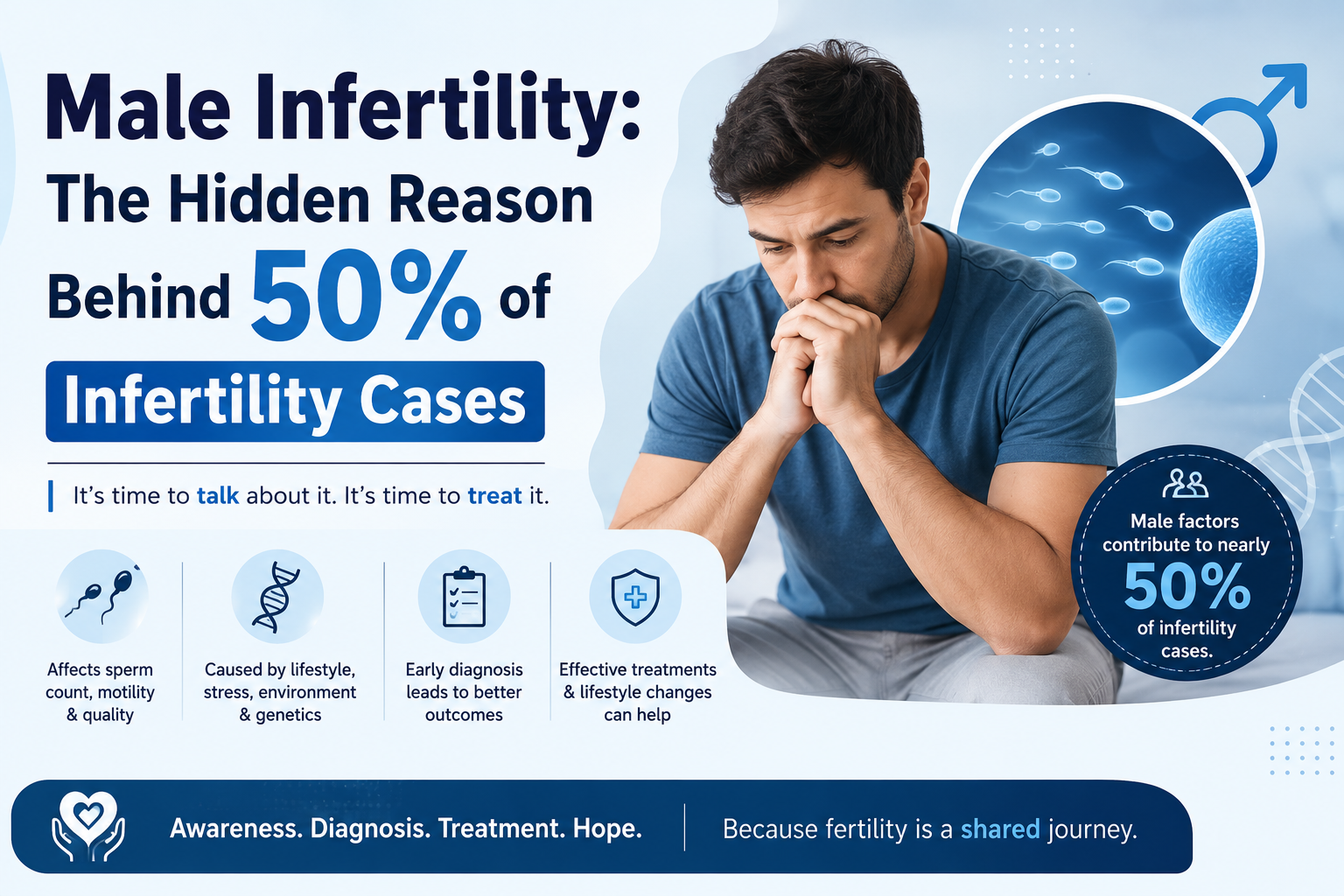
Male Infertility: The Hidden Reason Behind 50 Percent of Infertility Cases

In case there are difficulties with conception, one of the first questions which arises in society is, “What is wrong with the woman?”

And here is a fact which is surprising for a lot of people: the problem with male infertility causes almost 50% of infertility problems. Yes, being infertile is not only a women’s health issue. Male fertility plays an important role as well. Unfortunately, male infertility remains a taboo subject. Men are hesitant to talk about their fertility challenges, get tested, or even consider that their infertility might lead to problems.

Here at Revyve Fertility, we are convinced that this approach should be changed with the help of increased awareness.

Understanding Male Infertility

Infertility in men basically implies that there may be some problems with their ability to contribute to conception because of problems with sperm production, quality, or delivery of sperms.

In order to achieve natural conception, sperms should be healthy, be produced in appropriate quantities, and be capable of reaching the egg and fertilizing it. If any of these factors be influenced, the possibility of conception will decrease.

It is crucial to point out that there can be no evident symptoms for infertility. In many cases, it becomes known only after a couple fails to conceive for some time.

Why Can Men Be Infertile?

The exact cause is not always one. Sometimes it involves a few different aspects. One of the main reasons for male infertility is low sperm count. It means less possibility of fertilization.

In other cases, sperm may be present but may not move properly. This is called poor sperm motility. Since sperm need to swim to reach the egg, movement plays a major role. Sperm shape also matters. Abnormal sperm morphology can affect the sperm’s ability to fertilize an egg. Apart from these, hormonal imbalances can interfere with sperm production. Varicocele, infection, diabetes, and genetics can have an effect on fertility.

Lifestyle habits have more influence than many men think.  Sperm health can be adversely affected by smoking, binge drinking, sleep deprivation, long-term stress, obesity, and bad eating habits. Modern life can quietly affect fertility in ways many men don’t expect.

When Should You Seek Help?

Many men think that if they feel healthy, fertility should not be a problem at all. But many times, fertility issues are silent issues.

If you have been having difficulty conceiving for over a year now, then it is high time that you consider getting a fertility consultation. This will help you save precious time and avoid stress.

The Good News: Treatment is Possible

Another myth concerning male infertility is that nothing can be done. This myth couldn’t be further from the truth. Luckily, there are numerous causes of male infertility that can be successfully treated. First, sometimes all you need to do to boost sperm production is make some basic lifestyle adjustments – improve your diet, exercise regularly, reduce stress and get enough sleep. For others, medication or hormone therapy might be helpful, while for some men a relatively minor surgery will make a difference.  Moreover, more advanced treatments such as IUI, IVF, and ICSI have made wonders for many couples.

Breaking the Silence

Fertility can be very stressful for many people, but it should not be made worse by any blame or silence. Fertility is a process that concerns both individuals and requires equal consideration from both sides. As professionals at Revyve Fertility, we strive to help our patients open up about their fertility and take appropriate action early on. In many cases, the first thing one needs to do is begin the discussion. And that discussion can make all the difference.

Blog

15 Early Signs You Should Get a Fertility Test

Getting into parenthood is a wonderful experience, but for some couples, conceiving can be tougher than they think. Although occasional delay is not necessarily something to worry about, some early signs may tell whether professional help is needed. Identifying these early signs can help detect any fertility issues early on and increase the possibility of success through treatment. Fertility problems can occur to both male or female, and testing done earlier can give some answers. 

Here are 15 signs that show that you might need a fertility test.

1. You’ve Been Trying to Conceive Without Success

Fertility tests are advised for individuals below 35 years who have been trying for one year without conceiving or those above 35 years who have been trying for half a year.

2. Irregular Periods

Irregularity in your menstrual cycle may be an indicator of ovulation problems or hormonal disorders that can hinder conception.

3. Very Painful Periods

Very painful periods may be a sign of disorders such as endometriosis, which affect fertility.

4. No Periods at All

Absence of periods may be a sign of hormonal or ovulation problems.

5. Heavy or Abnormal Bleeding

Changes in menstrual flow may point to reproductive health concerns.

6. History of Miscarriage

Repeated pregnancy loss may warrant further fertility investigation.

7. Above Age 35

Fertility decreases with age, particularly for females.

8. Previously Diagnosed Conditions

Polycystic Ovary Syndrome (PCOS), thyroid disease, or diabetes may be factors affecting one’s ability to conceive.

9. Pelvic Discomfort

Chronic pelvic discomfort might indicate some problems with the reproductive system.

10. Low Libido/Signs of Hormonal Imbalance

Imbalances in hormones affect fertility as well as sexuality.

11. Previous Pelvic Surgery

Past surgeries may sometimes impact reproductive organs.

12. Fertility Problems in Males

Sperm problems such as low number, motility issues, and/or erectile dysfunction could pose problems with conception.

13. Risk Factors Relating to Lifestyle Choices

Smoking, excessive alcohol consumption, dietary problems, overweight, and chronic stress might interfere with fertility.

14. Family History of Fertility Problems

This might be linked to genetics and/or heredity.

15. Unknown Fertility Problem

In some cases, it appears that there is nothing wrong but conception does not occur.

When Should You Take Action?

Unfortunately, too many couples put off getting the help they need, thinking that conception will ultimately occur on its own. However, fertility testing is not only about treatment; it is all about knowing your body and the possible problems that may come up.

It is also important to note that many fertility problems can be solved using the proper diagnosis and treatment methods.

Here at Revyve Fertility, we believe that early awareness can make a real difference. If you experience any of these symptoms, visiting a fertility specialist is highly recommended.

Blog

Best Fertility Clinic in Faridabad (Why Revyve Fertility Stands Out)

Choosing the appropriate clinic is essential when it comes to fertility treatments. The choice can greatly influence your likelihood of becoming pregnant and your overall reproductive wellbeing. Revyve Fertility in Faridabad stands out as a leading fertility clinic in the area, providing advanced treatments, empathetic support, and a tailored approach to assist you in beginning or growing your family. People also know us as the Best Fertility Clinic in Faridabad.  

Why Choose Revyve Fertility in Faridabad?

  1. Success Rates and Specializations 

 A pivotal aspect to consider when opting an IVF clinic is knowing its success rates. A secure clinic must be open about its success rates regarding IVF, IUI, and colorful fertility curatives. These numbers will give sapience into the effectiveness of the clinic’s practices relative to assiduity marks. For illustration, Revyve Fertility, honored as the top IVF Centre in Faridabad, has shown remarkable success rates, showcasing their chops and commitment to case well- being. Along with success rates, estimate if the clinic focuses on particular areas similar as manly gravidity, PCOS, or aged motherly age. fastening on your specific fertility conditions can enhance your liability of success. 

  1. Medical moxie and Staff Qualifications 

 The moxie and background of the healthcare team are essential in guaranteeing you gain the loftiest quality of care. Make sure the clinic employs board- certified fertility specialists, embryologists, nursers, and other healthcare professionals who are endured in IVF treatments. At Revyve Fertility, the premier Fertility Clinic in Faridabad, the staff consists of largely complete croakers who constantly enhance their moxie to remain leaders in fertility care. An excellent clinic will offer transparent details regarding their staff’s qualifications and moxie, so feel free to interrogate about this during your appointment. 

  1. substantiated Care and Consultation 

 Each fertility trip is distinct, and the treatment approach must be customized to meet your individual conditions. In your first discussion, estimate if the clinic dedicates time to comprehend your medical background and particular issues. Conventions that give personalized care tend to reach better issues as they take into account all rudiments that may affect fertility. Revyve Fertility, an IVF clinic located in Faridabad, is honored for its customized system, guaranteeing that the treatment plan for each case is substantiated for the stylish issues. Individual focus during the discussion stage is also a strong sign of the clinic’s fidelity to your success.  

  1. Technology and Equipment 

 Modern technology and slice- edge tools are critical rudiments of a thriving IVF clinic. Advancements in reproductive technology, including embryo cryopreservation, inheritable testing, and egg collection styles, significantly enhance the liability of a successful gestation. When assessing a clinic, ask about the technologies they use and whether they invest in the newest fertility inventions. A installation similar as Revyve Fertility, the top IVF Centre in Faridabad, features state- of- the- art amenities and utilizes the most advanced technologies to guarantee that you gain the loftiest quality of care.  

Infertility Clinic In Faridabad

  1.  Costs and Financing Options 

 Fertility procedures can be expensive, so it’s essential to completely grasp the charges involved prior to choosing a clinic. many clinics give payment plans or financing options to help in reducing the fiscal strain. Make sure to ask about the clinic’s pricing details, covering the freights for consultations, treatments, and redundant procedures. Certain conventions might give whisked packages that include several cycles, which can be provident for cases entering IVF remedy. It’s prudent to ask if the clinic collaborates with your insurance provider, since fertility treatments may sometimes be included in insurance content. 

  1. Supportive Environment and Emotional Care

 Fertility curatives can be emotionally demanding, hence it’s important to elect a clinic that provides probative services for you and your mate. Seek a clinic that offers comforting, emotional support groups, or fresh coffers to help you in managing the stresses generally associated with fertility treatments. A caring and humane atmosphere can significantly impact your overall experience. Revyve Fertility is honored for creating a compassionate and humane terrain where cases are always treated with respect and quality during their experience. 

 Conclusion 

 Opting the applicable fertility clinic is a significant choice that demands thoughtful reflection and consideration. Anyhow of your interest in IVF, IUI, or fresh fertility options, knowing the clinic’s success rates, standing, and methodology for substantiated care will help you make the stylish decision for your conditions. Revyve Fertility, the top IVF clinic in Faridabad, is distinguished by its slice- edge technology, minding platoon, and commitment to patient issues. By considering these important factors, you can reach a well-informed choice that guides you toward fulfilling your ultimate end of creating your family.

Blog

IVF Process In Revyve Fertility know as the Best IVF Specialist in Faridabad

IVF Process In Revyve Fertility know as the Best IVF Specialist in Faridabad

In vitro fertilization (IVF) is a widely recognized assisted reproductive technology (ART) that has helped many individuals and couples conceive. The term “in vitro” means “in glass,” referring to the laboratory environment where fertilization occurs, distinguishing it from natural conception, which takes place within the body. In Revyve Fertility Centre you can find the Best IVF Specialist in Faridabad.

The IVF Process

Treating Infertility

The IVF process typically involves several stages:

1. Ovarian Stimulation: The first step in IVF is to stimulate the ovaries to produce multiple eggs rather than the single egg that typically develops in a natural menstrual cycle. This is achieved through hormonal medications, usually gonadotropins. Monitoring through blood tests and ultrasounds helps track the growth of the follicles, which house the eggs.

2. Egg Retrieval: Once the eggs are mature, a minor surgical procedure called transvaginal ultrasound aspiration is performed to retrieve them. This is done under sedation or anesthesia, and a thin needle is guided through the vaginal wall into the ovaries to collect the eggs.

3. Sperm Collection and Preparation: Simultaneously, a sperm sample is collected from a partner or a sperm donor. The sperm is then processed in the lab to select the healthiest and most motile sperm for fertilization.

4. Fertilization: The retrieved eggs are placed in a laboratory dish with the prepared sperm. Fertilization can occur through conventional insemination, where sperm and eggs are simply mixed, or through intracytoplasmic sperm injection (ICSI), where a single sperm is injected directly into an egg. ICSI is often used in cases of male infertility.

5. Embryo Culture: After fertilization, the embryos are monitored for development over several days. They typically develop for about 3 to 5 days, during which embryologists assess their growth and quality.

6. Embryo Transfer: Once healthy embryos are identified, one or more are selected for transfer into the woman’s uterus. This is done using a thin catheter, and the procedure is relatively simple and painless. The number of embryos transferred depends on various factors, including the woman’s age and the quality of the embryos, with the aim of reducing the risk of multiple pregnancies.

7. Luteal Phase Support: After embryo transfer, hormonal support is often provided to help prepare the uterine lining for implantation.

8. Pregnancy Test: About two weeks after the embryo transfer, a blood test is performed to determine if implantation has occurred and if the woman is pregnant.

Considerations and Success Rates

IVF can be a complex and emotionally challenging process. It may require multiple cycles to achieve a successful pregnancy, and success rates can vary based on factors such as the woman’s age, the cause of infertility, and the quality of the embryos. Best IVF Specialist in Faridabad

Blog

What to Expect and How to Improve Your Chances at Revyve Fertility, the Best IVF Centre in Faridabad : IVF Success Rates

When couples encounter fertility issues, in vitro fertilization (IVF) can provide a promising route to becoming parents. Nonetheless, IVF is a complicated procedure, and one of the most common inquiries from patients is: What are the likelihoods of success? Although IVF has transformed fertility treatment and provides a remedy for numerous couples, success rates can differ due to various factors, such as age, health status, and lifestyle choices. At Revyve Fertility, the Leading IVF Centre in Faridabad, we recognize that IVF represents both an emotional and monetary commitment, which is why we aim to offer patients genuine anticipations and the greatest potential for achievement. 

In this blog, we will explore IVF success rates, the factors that affect these rates, and actionable steps you can implement to enhance your likelihood of achieving a successful IVF cycle at Revyve Fertility, the leading IVF Centre in Faridabad

IVF Success Rates: What You Should Know

Success rates of IVF typically rely on multiple factors and are usually indicated as the percentage of live births achieved from IVF following each embryo transfer. The general success rate for IVF in India can fluctuate, with an average success rate falling between 30-50%. Nonetheless, these figures may vary based on personal situations. 

The American Society for Reproductive Medicine (ASRM) states that the success rates of IVF are mainly affected by these key factors: 

  1. Age of the Woman

Age is among the key factors that influence the success of IVF. Women below 35 possess the greatest likelihood of IVF success, with rates usually spanning from 40-45%. For women between 35 and 37 years old, success rates drop slightly to approximately 30-35%. Post age 40, the rates of success generally decrease more significantly, with probabilities dropping to about 10-20%. 

  1. Ovarian Reserve and Egg Quality

Ovarian reserve denotes the number and quality of a woman’s eggs.  As women get older, their ovarian reserve diminishes, potentially affecting the chances of successful fertilization and embryo growth. Women possessing higher-quality eggs typically experience greater success rates in IVF procedures. 

  1. Sperm Quality

The importance of male fertility in IVF is equal, and the quality of sperm significantly influences the treatment’s success. Elements like sperm count, motility, and morphology are taken into account when choosing the optimal sperm for fertilization. In certain situations, sophisticated methods such as Intracytoplasmic Sperm Injection (ICSI) might be employed to assist sperm in egg fertilization. 

  1. Embryo Quality 

The success of IVF is greatly affected by the quality of the embryos formed. Embryos reaching the blastocyst stage (5 days) generally possess higher implantation rates. At Revyve Fertility, the top IVF Centre in Faridabad, our embryologists select only the healthiest embryos for transfer. 

  1. Uterine Health 

The state of the woman’s uterus is another significant factor. Conditions like fibroids, polyps, or endometriosis can obstruct embryo implantation. Thorough screening and diagnostic assessments at the beginning of the IVF journey can detect possible problems with the uterus, enabling corrective measures prior to initiating IVF. 

  1. Previous IVF Outcomes

When a patient has experienced earlier IVF cycles, the results of those cycles can offer valuable insights for forecasting future success. Prior unsuccessful IVF attempts may lead to further examinations or modifications in the treatment strategy. 

What to Expect from IVF Success Rates

At Revyve Fertility, an IVF Center located in Faridabad, we prioritize transparency and effective communication about IVF success rates. We recognize that each couple’s circumstances are distinct, and the overall success rates might not represent your individual situation. While certain patients may conceive following their initial IVF cycle, others might need several tries to succeed. Typically, the success rates for each cycle might appear as follows: 


  • Women below 35: 40-45% success rate per cycle. 
  • Women between the ages of 35 and 37: 30-35% success rate per cycle. 
  • Women between the ages of 38 and 40: have a success rate of 20-25% for each cycle. 
  • Women over 40: 10-15% likelihood of success for each cycle. 

These numbers may fluctuate based on various factors, such as egg quality, sperm vitality, and the general health of the woman. At Revyve Fertility, we adopt a customised strategy for treatment, examining each couple’s fertility background and medical details to establish achievable expectations and deliver personalised care. 


How to Improve Your IVF Success Chances

improve-chances-ivf-first-timeAlthough success in IVF isn’t assured, there are multiple measures you can implement to enhance your likelihood of a favourable result. Revyve Fertility, the top IVF Centre in Faridabad, provides professional support during the entire IVF journey. Here are several useful suggestions to enhance your chances of IVF success:

  1. Maintain a Healthy Lifestyle
  • Diet and Nutrition: A well-rounded, nutrient-dense diet can enhance your body’s reaction to IVF. Concentrate on consuming fresh fruits, vegetables, whole grains, lean proteins, and healthy fats. A properly nourished body is more prepared to manage IVF and foster a healthy pregnancy. 
  • Exercise: Consistent moderate activity can enhance general well-being, decrease stress levels, and boost circulation to the reproductive system. Nevertheless, vigorous workouts may occasionally produce the contrary effect, making it essential to establish a balanced regimen. 
  • Avoid Smoking and Alcohol: Both smoking and high alcohol intake can adversely affect fertility in both males and females. It’s recommended to stop smoking and reduce alcohol consumption before beginning IVF treatment to enhance your chances. 


2.Manage Stress

IVF can be a demanding experience both emotionally and physically, yet handling stress may enhance results. Think about adding relaxation methods like yoga, meditation, deep breathing practices, or therapy into your habits to preserve emotional stability. 

3.Ensure Healthy Sperm Quality 

Men ought to prioritize enhancing sperm health as well. A diet high in antioxidants, consistent physical activity, and steering clear of extreme heat (like saunas or hot tubs) can enhance sperm quality. At Revyve Fertility, we provide comprehensive sperm evaluations and suggestions to enhance sperm wellness.

4.Consider Pre-Implantation Genetic Testing (PGT)

Pre-implantation genetic testing (PGT) is a method employed to examine embryos for genetic defects prior to their transfer. This can enhance the likelihood of success by choosing embryos that are genetically sound. PGT is especially suggested for older females or individuals with a background of repeated pregnancy loss. 

5.Work Closely with Your Fertility Specialist

A key step in enhancing your IVF success rate is collaborating with a knowledgeable fertility expert. At Revyve Fertility, an IVF facility in Faridabad, our expert team collaborates with you to customize treatment plans tailored to your specific circumstances. Consistent monitoring, specialized advice, and tailored care greatly enhance the likelihood of achieving a positive result. 

6.Consider Embryo Freezing 

-In certain situations, storing embryos for later use can be a possibility, particularly for women who might encounter difficulties related to ovarian reserve. If your initial IVF attempt does not lead to pregnancy, having preserved embryos ready for future transfer can help save time and lower expenses. 


Conclusion

IVF provides a significant option for couples struggling with infertility, yet it’s crucial to maintain realistic expectations about the success rates. At Revyve Fertility, the leading Best IVF Centre in Faridabad, we offer a compassionate and tailored approach to fertility treatment, assisting you in comprehending your unique prospects for success and the measures you can implement to enhance them. Through cutting-edge technology, skilled fertility experts, and an emphasis on patient support, we aim to provide the best outcomes and a promising journey to parenthood. 


Blog

Understanding the Causes of Infertility in Men and Women (Revyve Fertility the Best IVF Centre in Faridabad)

Infertility is a prevalent problem that affects approximately 10-15% of couples globally. Fertility issues can affect both men and women, and the causes can vary from lifestyle choices to medical disorders. Couples can seek the right treatment and manage their reproductive journey by being aware of these issues. The most frequent causes of infertility in both men and women are examined in this blog.

Causes of Infertility in Women

Infertility

1. Ovulatory disorders are the causes of infertility in women. Ovulatory abnormalities, in which the ovaries do not regularly produce eggs, are one of the main reasons of infertility in women. The most prevalent of these conditions, polycystic ovarian syndrome (PCOS), causes irregular periods and non-existent ovulation. Premature ovarian failure (when a woman’s ovaries quit working early) and hypothalamus dysfunction (disruption in hormonal signals to the ovaries) are other explanations. If you are facing these challenges, getting help from Revyve Fertility the Best Fertility Clinic in Faridabad can offer solutions for managing ovulation and enhancing fertility.

2 .Damage or Blockages in the Fallopian Tube The egg cannot enter the uterus through fallopian tubes that are blocked or damaged. Scarring and obstructions in the tubes can result from conditions like endometriosis, where uterine tissue grows outside the uterus, and pelvic inflammatory disease (PID), which is frequently brought on by untreated STIs. For those facing tubal issues, a consultation at Revyve Fertility an IVF Centre in Faridabad can offer treatment options such as surgery or assisted reproductive technologies (ART) like IVF.

3. Issues with the Uterus A fertilized egg’s ability to implant can be hampered by structural problems in the uterus. Uterine septum (a congenital malformation in the uterus), polyps, and fibroids (non-cancerous growths) are common culprits. Infertility can also result from Asherman’s syndrome, which involves scar tissue inside the uterus.

4. Age Because fewer and lower-quality eggs are produced as women age, their fertility decreases, especially beyond the age of 35. Complications including miscarriage and genetic abnormalities are also more common in older women. If you’re over 35 and having difficulty getting pregnant, consulting Revyve Fertility the Best IVF Centre in Faridabad can offer details on egg freezing or IVF as possible avenues for women attempting to conceive later in life.

5. Unbalanced Hormones Ovulation can be disturbed by hormonal problems. For example, high levels of prolactin, a hormone that can restrict ovulation, and thyroid issues (either underactive or hyperactive) can both have an impact on fertility.

6. Environmental and Lifestyle Factors Fertility can be lowered by unhealthy behaviors like smoking, binge drinking, and being overweight or underweight. Hormonal balances that are essential for ovulation are particularly impacted by obesity. Fertility issues can also be caused by environmental pollutants like chemicals and pesticides.

Causes of Infertility in Men

male infertility
1. Sperm Quality and Quantity Male infertility is frequently associated with issues related to sperm, including low sperm count (oligospermia), inadequate motility (movement), or irregular morphology (shape). Genetic influences, environmental factors, or health issues can diminish sperm quality and count.

2. Varicocele A varicocele refers to the swollen veins located in the scrotum, which can increase the temperature of the testes, negatively affecting sperm production. It’s a frequent yet manageable reason for male infertility.

3. Hormonal imbalances may also impact sperm production. Hypogonadism, a condition in which the body fails to generate sufficient testosterone, can greatly hinder fertility. Imbalances in other hormones such as luteinizing hormone (LH) or follicle-stimulating hormone (FSH) can also create issues.

4. Genetic Influences Genetic conditions, like Y-chromosome microdeletions, may impact sperm production. Men with cystic fibrosis can be born with an absence of the vas deferens, the duct that transports sperm.

5. Infections like mumps, gonorrhea, and chlamydia can harm reproductive organs and lower sperm quality. Epididymitis, an infection of the ducts that carry sperm, may also result in infertility.

6. Lifestyle and Environmental Factors Smoking, heavy alcohol intake, drug abuse (such as anabolic steroids), and contact with environmental pollutants can impair sperm quality. Excess weight and stress are other risk factors that may adversely affect male fertility.

7. Ejaculation Issues Conditions such as retrograde ejaculation (where sperm goes into the bladder instead of being released) or delayed ejaculation can disrupt conception.

Unexplained Infertility
In certain instances, infertility cannot be linked to a specific reason. This condition is referred to as unexplained infertility, where examinations show no clear problems with sperm, eggs, or reproductive systems. Regardless of this diagnosis, numerous couples can still conceive using assisted reproductive technologies such as in vitro fertilization (IVF). For couples encountering this issue, going to Revyve Fertility the Best IVF Centre in Faridabad can be extremely helpful.

Seeking Treatment
Experiencing infertility can be emotionally difficult, yet there’s positive news: numerous causes can be treated. If you and your partner are having difficulty getting pregnant, seek advice from a fertility expert. The diagnosis typically includes examinations like blood tests, ultrasound scans, semen evaluations, and occasionally genetic assessments. Possible treatment options can consist of medications to manage ovulation, surgical procedures to fix anatomical problems, or assisted reproductive technologies (ART) like intrauterine insemination (IUI) and IVF.
Choosing Revyve Fertility the Best Fertility Clinic in Faridabad is crucial to getting expert guidance and support. The clinic’s specialists can provide personalized treatment plans, including options for IVF, ICSI, or egg freezing, ensuring that you receive the best chance for success.

Conclusion
Infertility is a multifaceted issue with various possible reasons, impacting both genders. The factors may be hormonal, anatomical, genetic, or linked to lifestyle, and comprehending them is essential for pursuing appropriate treatment. Thanks to progress in fertility treatments, numerous couples dealing with infertility can fulfill their dream of having a family. If you are experiencing infertility, it’s essential to keep in mind that assistance is accessible, and prompt action can enhance your likelihood of a successful pregnancy.