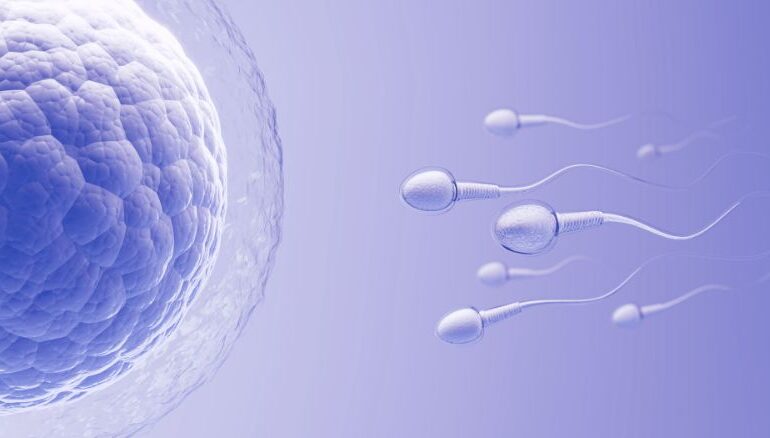
Where conception problems are concerned, the majority of discussions tend to be about age, hormones, and medical issues. However, there is one more aspect which is often overlooked and which we come into contact with on an everyday basis – the environment. Our air, food, water, and household items could all have a considerable effect on fertility in ways we do not know.
It does sound scary, but the reality is quite simple – minor exposure in the long run can have an impact on reproduction. Here at Revyve Fertility, we think fertility is not determined only by lab findings. At times, lifestyle and environmental factors might be of more significance.
How Can Environmental Toxins Affect Fertility?
This is an extremely delicate system. This requires healthy hormonal levels and high quality eggs and sperms, among other things.
There are some chemicals present in our environment which can disturb this delicate balance. There are those that cause disruption of hormones, and there are those that cause disturbance to sperm quality, egg quality, or the capability of the body to sustain the pregnancy. The problem lies in the fact that these effects can be gradual.
Common Toxins That May Impact Fertility
Air PollutionIf you reside in an urban city, there will be no escape from air pollution. Inhaling toxic air for a prolonged time has been associated with decreased fertility among males and females. They may influence the quality of sperms and eggs.
Plastic and BPA
Everywhere we go, there are plastic materials from bottles to food containers.
Some types of plastics contain BPA that messes up the hormones. The heating of food in such containers may enhance their effects, thus should be avoided.
Pesticides
Pesticides used in farming and gardening can also affect fertility. Even though fruits and vegetables are healthy, unwashed produce may carry chemical residues. This is why proper washing matters.
Heavy Metals
Lead and Mercury could affect reproduction. Lead and Mercury could disrupt hormones and decrease fertility. Lead and Mercury contamination can occur through food, water, or some work environments.
Household Products
Many cleaning products, perfumes, cosmetics, and skincare products contain chemicals that may disrupt hormones. Since we use these products regularly, even small exposure can become significant over time.
Small Changes Can Help
The thought of environmental toxins can feel overwhelming because avoiding everything is impossible. But fertility care is not about perfection. It’s about making better choices where you can.
Simple habits can make a real difference:
- Do not heat your food in plastic
- Prefer using glass or steel for storage if possible
- Clean your fruits and vegetables well
- Reduce the use of strong chemicals at home
- Prefer natural personal hygiene products
- Increase the quality of your indoor air
These may seem like small changes, but over time they can support better overall health and fertility.
Protecting Fertility Starts Today
Just because a fertility concern is not necessarily due to the presence of toxins in the environment does not mean that they cannot form part of the larger picture. In cases where pregnancy is not occurring in the expected amount of time, it pays to consider all aspects.
At Revyve Fertility, we hold a holistic approach to fertility care. The more you understand about your own body, your lifestyle, and the environment around you, the better. In some cases, the first step to fertility protection is making the right decisions every day.